Does Kava Kava Show Up on a Drug Test?
What is Kava Kava and Why is It Gaining Popularity?
What is Kava and what does it contain? Can drinking Kava tea or consuming Kava prescription medications interfere with your daily routine?
Most importantly for the sake of our resource, does kava kava show up on a drug test?
We’ll answer those questions and more below.
For a short rundown, here are some quick answers. Kava Kava generally does not show up on drug tests. The standard drug testing methods don’t check for the active compounds of kava. That is because Kava is not a controlled substance in the United States.
However, there are still some instances where false positives can occur. The false positives are usually due to the active compounds in Kava interfering or cross-reacting with other biochemicals in a drug test. And there are other instances when it is tested for, such as in sober living residences.
Keep reading to learn more about the specific considerations regarding kava testing, and what you need to know.
We’ll also discuss how Icarus Behavioral Healthcare in New Mexico can help you and your loved ones receive support for recovery from substance abuse and mental health concerns as well.
Short Answer: Does Kava Kava Show Up on a Drug Test?

Let’s start with repeating the most common answer to your burning question: no, Kava Kava will not show up in your standard drug test.
In cases where false positives occur, the issue is often cross-reactivity with other drugs or chemicals used in drug testing.
We will go over that in more detail below.
Get Effective Detox And Rehab Options at Icarus – Call Now!
What is Kava Kava Made Of?
Before diving a little deeper, let us help you understand what we mean by Kava and Kava plant products. For one, Kava Kava has a rich history for its calming effects and medicinal purposes in the South Pacific Islands.
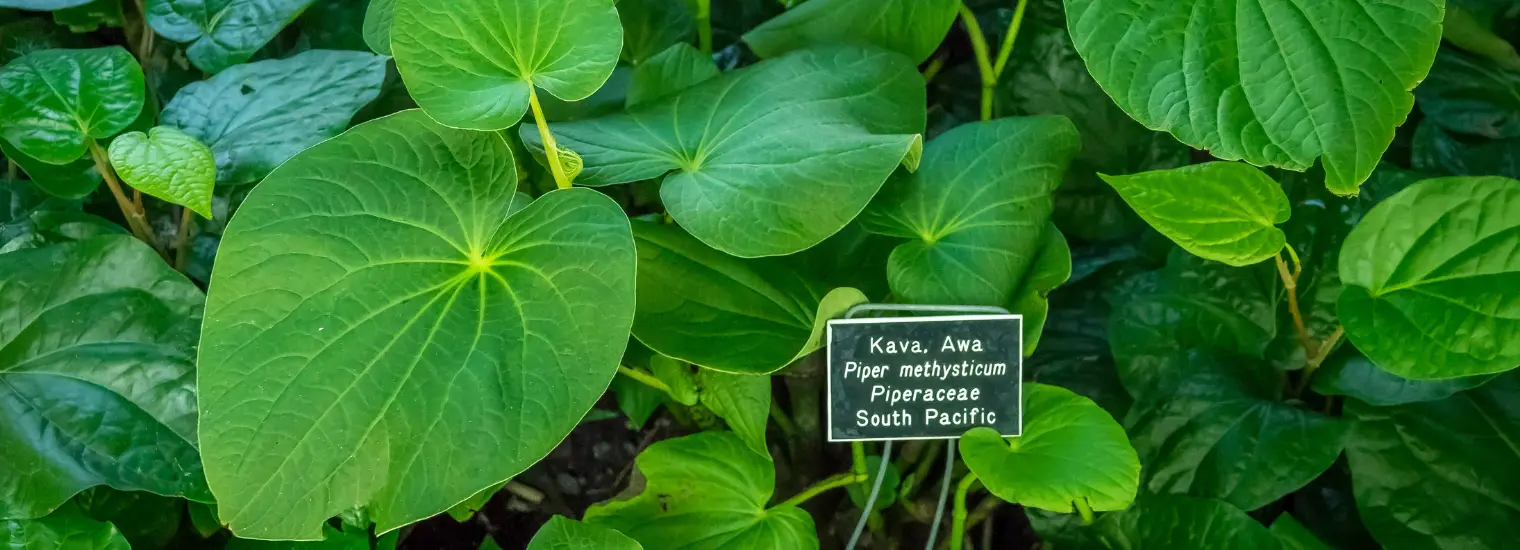
It comes from the Piper Methysticum plant native to the South Pacific Islands. It contains substances called kavalactones. In that region, kava is traditionally consumed in different forms, like:
- Kava drink
- Kava powder
- Kava shots or extracts
In the US where the trend is picking up for such products due to the calming effects of Kava and how it promotes relaxation, new forms are available. These include:
- Kava smoothies
- Cocktails
- Kava bars
- Kava dietary supplements
Kava use is generally reported to be a natural remedy for overall wellness, particularly for use in calming and stress relief.
In recent times, it has emerged as a source of interest in the West for similar purposes.
However, the South Pacific Islanders consume kava for various purposes in different forms during traditional ceremonies and social gatherings. The main purpose is to promote relaxation and well-being.
How Long Does Kava Stay in Your System?
The half-life of common substances (active substances) called kavalactones in Kava have a half-life of 9 hours. Research confirms that half of the drug is out of your system within that time frame.
But it’s helpful to know that the half-life of Kava’s active compounds can vary based on several factors:
- Frequency of Kava consumption
- Individual metabolism
- Overall health
- Drug interactions
- Hydration levels
Plus, if you’re consuming other substances like alcohol or prescription medications, it could affect the half-life too. Moreover, it might stay in your system longer if you’re drinking Kava.
If you have other concerns about Kava’s interference with ongoing medication or upcoming drug tests, talk to your healthcare professional.
Do the US Armed Forces Test for Kava Kava?
Generally, Kava Kava is not a serious concern when it comes to drug tests – i.e., standard ones. But how long Kava stays in your system might matter if you are frequently tested.
With that said, even authorities like the US Navy and Armed Forces don’t regularly check for substances like Kava. Even though it’s “not authorized for use by any aviation personnel” (page 8).
What Types of Drug Tests Could Detect Kava Kava?
The most standard drug tests cannot detect Kava consumption and the plant’s common substance variety. However, it can react with other chemicals like amphetamines and benzodiazepines which can lead to false positives.
Here are the common drug testing methods that might help with Kava detection:
Urine Tests
This is the most common form of drug testing for most substance abuse and illegal drugs. Also, this is where most false positives happen. Your analytical toxicology report might show Kava interference in urine drug screens.
This typically happens because Kava can cross-react with amphetamine immunoassay biochemicals in a urine drug test. So, it’s important to learn about why false positives occur so you can reduce stress and seek professional assistance when needed.
Blood Tests
The compounds in Kava are usually not detectable in standard blood tests. However, if your test is specifically targeting kavalactones, then the results could turn up positive.
Hair Follicle Tests
The hair follicle tests are more thorough and consuming Kava before one can lead to a positive drug test result. This type of drug test can detect illegal drugs for a longer window.
Get Accredited Treatment Programs at Icarus – Call Now!
Will Kava Interfere with Drug Testing Processes?
A dietary supplement containing Kava can trigger a false positive. We understand it can lead to anxiety and stress. However, you should know that most drug tests are for detecting illegal and controlled substances.
The most common process where Kava interference occurs is immunoassay tests for “amphetamines”. Here’s what to know:
False Positives
Sometimes, drug testing technologies can misread certain kavalactones as amphetamines. As mentioned earlier, this is due to the cross-reactivity.
Confirmatory Tests
In case of a “false flag” result, the testing facilities run confirmatory tests for drug use. This could be Gas Chromatography-Mass Spectrometry (GC-MS). It is an advanced test for differentiating between the Kava compounds and other illegal substances.
Is Kava Considered an Illicit Drug?
The United States Department of Justice confirms that Kava is not a controlled substance. In simple words: No, kava is not considered an “illegal drug”.
However, because users are seeking relaxation through it, it does fall under the “depressant” category and is considered a mind-altering substance.
In other countries like Germany and Australia, as we mentioned earlier, Kava is restricted. That’s due to its potential side effects and adverse impacts on the body such as liver toxicity and so on.
We will break these down further next.
The Potential Risks and Side Effects of for Kava Users
There are numerous health concerns associated with Kava consumption. For instance, research suggests that consuming Kava can lead to:
Liver Damage
Although rare, prolonged consumption of Kava products can lead to liver toxicity. When mixed with substances like alcohol, the negative effects on the body could worsen.
Sedation
The calming effects of Kava can potentially lead to drowsiness. As a result, it can impair your ability to perform routine tasks with adequate focus and concentration. For example, driving.
Drug Interactions
Sometimes, anti-anxiety drugs and benzodiazepines – or some other prescription medications – can interfere with Kava’s effects. It can lead to adverse health concerns for your body and brain.
The Hidden Risks of Kava in Recovery
Kava is a soothing option for relaxation. However, it poses significant risks for those in recovery – particularly, the risk of relapsing. The “calming” effect from Kava can increase the cravings, which can ultimately lead to a greater risk of relapse.
This is especially important for individuals recovering from alcohol or other substance abuse disorders. Moreover, many sober living settings include regular drug tests, such as gas chromatography. Since this type of test can detect Kava metabolites, it can cause issues in terms of sober living and abiding by the terms imposed by most recovery residences.
Up To 100% of Rehab Costs Covered By Insurance – Call Now!
Should You Worry About Kava and Drug Tests?
The chances of Kava showing up on a regular drug test are low. In addition, false positives are rare because most drug testing facilities can quickly perform confirmatory tests. These tests help with the accurate detection of substances and debunk any false results.
But if you or someone you love is constantly battling with drug abuse or substance use disorders, consider talking to our healthcare professionals. At Icarus Behavioral Health, we offer you a supportive environment to share your concerns and get the help needed for lasting success in sobriety.
We will share information and resources to guide you through a compassionate and tailored recovery process. So, don’t wait, call today for a confidential consultation with one of our caring Admissions staff here in New Mexico.