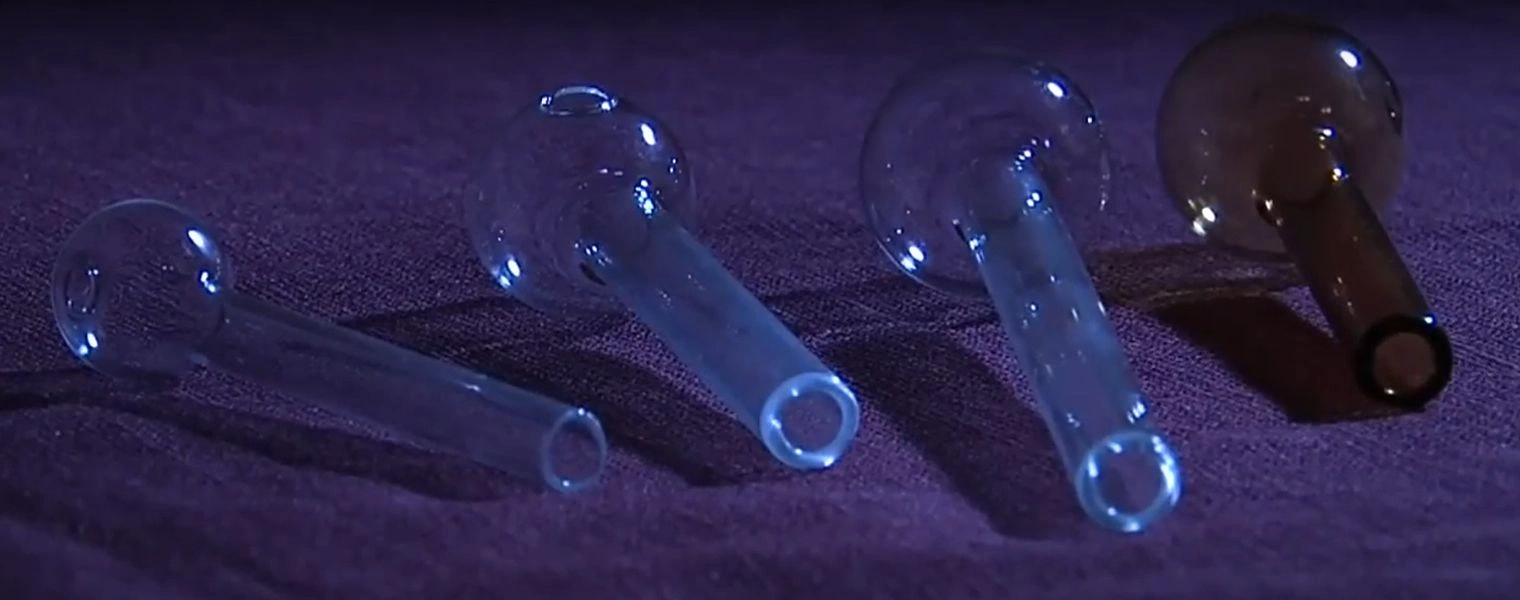
What Does a Meth Pipe Look Like?
Know the Appearance of Meth Pipes of All Kinds and Get a Loved One Help
This guide explains common features people may associate with meth pipes and related paraphernalia. It is intended for education only. Appearance alone cannot confirm what substance was used or whether someone has a substance use disorder.
If you are worried that a loved one may be using methamphetamine, certain physical items and behavior changes can raise concern, but no single sign proves what substance is involved.
Depending on how often meth is used, how it is taken, and whether other health or mental health issues are present, a person may seem unusually awake, restless, agitated, suspicious, or physically run down.
Changes in hygiene, sleep, weight, or skin can occur in some cases, but these signs are not specific to methamphetamine alone.
Some people smoke methamphetamine, while others may snort, swallow, or inject it. Because routes of use vary, the paraphernalia found around someone can vary too.
This article explains common items people may notice, how to respond more safely, and when to seek professional help.
What Does a Meth Pipe Look Like?

A pipe that people use to smoke methamphetamine is often described as a small glass pipe with a hollow stem and a rounded bowl at one end. However, appearance can vary, and similar-looking glass items may also be sold for other stated purposes.
Because of that, the object alone should be treated as a possible sign, not proof, of methamphetamine use.
Signs That a Pipe Has Been Used to Smoke Meth
A suspected meth pipe may show discoloration, dark burn marks, or sticky residue, especially if it has been heated repeatedly.
Some people also report a strong chemical odor around recently used paraphernalia or contaminated surfaces. Even so, residue, odor, and burn patterns do not reliably identify a specific drug on their own.
Find Meth Detox and Rehab Options at Icarus
Common Household Items That Might Be a Meth Pipe
In some cases, people may improvise smoking devices from household items such as cans, altered light bulbs, or other makeshift materials.
These items can sometimes show burn marks, punctures, residue, or other modifications.
Because improvised devices can break, cut skin, or leave chemical residue behind, avoid handling them casually.
What to Do if I Find a Meth Pipe
Finding suspected drug paraphernalia can be upsetting. Start with safety first. If the person is unresponsive, severely agitated, having chest pain, hallucinating, or showing signs of overdose or medical distress, call 911 immediately.
If there is no immediate emergency, avoid direct handling when possible, keep children and pets away, and do not leave the item in a shared living area.
Local law enforcement, public-health agencies, or community disposal guidance may help with safe next steps, especially if residue is present.
Once the immediate safety issue is addressed, focus on support rather than accusation. A calm conversation at a safer time, combined with treatment information and professional guidance, is usually more constructive than confrontation in the moment..
Identifying Other Meth Paraphernalia
People who use methamphetamine may use different routes, including smoking, snorting, swallowing, or injecting. Because of that, surrounding items can vary.
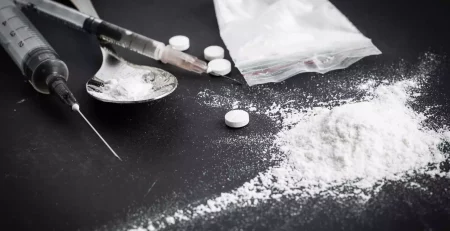
Needles, small bags with residue, foil, straws, altered pipes, or torch lighters may raise concern, but many of these items are not specific to methamphetamine by themselves.
What matters most is the overall context, the person’s safety, if they are struggling with meth addiction, and whether professional help is needed.
Get A Behavioral Health Assessment at Icarus
What Does Crystal Meth Look Like?
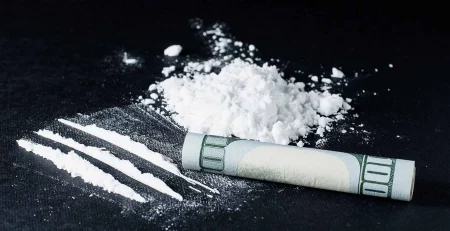
Methamphetamine may appear as a powder or as translucent, crystal-like fragments often referred to as “crystal meth.” Color and appearance can vary.
When methamphetamine is smoked, residue may remain in the pipe and, in some environments, on nearby surfaces.
Are Meth Pipes Illegal?
Laws involving drug paraphernalia vary by state and by the circumstances of the case. In New Mexico, state law prohibits using or possessing drug paraphernalia with the intent to use it for controlled substances, but legal consequences depend on the facts, location, and any related charges.
For legal advice, readers should consult a licensed attorney rather than rely on a general educational article.
If I Find a Meth Pipe, Should I Throw it Away?
Safety should come first. If the item appears recently used, damaged, or contaminated with residue, avoid direct handling when possible and keep others away from it.
After the immediate safety issue is managed, think carefully about the relationship impact of disposing of the item without discussion.
In some situations, support from a clinician, intervention professional, crisis line, or treatment program can help families decide the next step more safely.
The Risks of Using Meth Bubblers
Smoking methamphetamine can create two overlapping categories of risk: risks from the drug itself and risks from the device being used.
Heated glass or improvised pipes can cause burns, cuts, and exposure to residue.
Methamphetamine itself is associated with serious health risks that can include agitation, anxiety, paranoia, psychosis, cardiovascular strain, overheating, and overdose-related emergencies.
Other Signs of Methamphetamine Substance Abuse
Some people with methamphetamine use problems may show physical, behavioral, or mental health changes, but these signs are not specific enough to diagnose drug use on their own.
Possible changes can include major sleep disruption, weight loss, agitation, suspiciousness, mood swings, skin picking, dental problems, or neglect of daily routines.
Urgent warning signs such as chest pain, severe confusion, extreme agitation, hallucinations, or risk of harm to self or others call for immediate medical attention.
How to Help Someone Who is Addicted to Meth
Methamphetamine use disorder can be difficult to treat without support, but recovery is possible.
A helpful first step is encouraging a professional assessment to determine the safest and most appropriate level of care.
Depending on the person’s needs, treatment may involve medical monitoring, behavioral therapies, mental health support, family involvement, and ongoing recovery planning.
Options for Treating Meth Addiction
Effective treatment for methamphetamine use disorder usually starts with a careful assessment of medical, psychiatric, and social needs.
Many people benefit from structured behavioral treatment, and some may also need detox support, residential care, partial hospitalization, or intensive outpatient treatment, depending on safety concerns and symptom severity.
Medical Detox
Some people withdrawing from methamphetamine may benefit from medical monitoring, especially if they have severe sleep disruption, depression, agitation, dehydration, co-occurring substance use, or other health concerns.
The need for detox-level support varies by person and should be determined through clinical assessment.
Inpatient Rehab
Inpatient or residential treatment may be appropriate when a person needs a more structured setting, close support, or help managing co-occurring mental health and substance use concerns.
Outpatient Treatment Programs
Outpatient, intensive outpatient, and partial hospitalization programs may be appropriate for people who are medically stable and can participate safely outside a residential setting.
The best fit depends on symptom severity, home support, relapse risk, transportation, and co-occurring mental health needs.
Offering Your Loved One Support
Support is often most helpful when it is calm, nonjudgmental, and focused on safety.
That may include listening without escalating the situation, expressing concern clearly, helping the person attend an assessment, or connecting them with treatment, peer support, or crisis resources when needed.
Harm Reduction Strategies for the Loved Ones of Meth Users
Harm reduction is not the same as approval, and it does not make methamphetamine use safe.
It is a public-health approach intended to reduce some immediate risks while a person is still using.
Depending on local resources, harm reduction may include avoiding shared smoking equipment, reducing burn and infection risk, using fentanyl test strips where available, and connecting with community programs that can provide education, safer-use supplies, and referral to treatment.
Insurance Coverage Varies By Plan – Call Us For Verification
Get Them Help Overcoming Meth Abuse at Icarus
If you are worried about possible methamphetamine use, Icarus Behavioral Health can help you understand the next steps, including whether an assessment, detox support, residential treatment, or outpatient care may be appropriate.
We can also discuss insurance verification and help families think through safe, practical options for getting support.
References
American Society of Addiction Medicine, & American Academy of Addiction Psychiatry. (2024). The ASAM/AAAP clinical practice guideline on the management of stimulant use disorder. https://downloads.asam.org/sitefinity-production-blobs/docs/default-source/quality-science/stud_guideline_document_final.pdf
Boulder County Public Health. (n.d.). Methamphetamine (meth). https://bouldercounty.gov/environment/healthy-home/methamphetamine/
Centers for Disease Control and Prevention. (2024). Stimulant guide. https://www.cdc.gov/overdose-prevention/media/pdfs/2024/03/CDC-Stimulant-Guide.pdf
Jones, C. M., Compton & W. M., Mustaquim, D. (2020). Patterns and characteristics of methamphetamine use among adults — United States, 2015–2018. Morbidity and Mortality Weekly Report, 69(12), 317–323. https://www.cdc.gov/mmwr/volumes/69/wr/mm6912a1.htm
National Institute on Drug Abuse. (2024, November 20). Methamphetamine. https://nida.nih.gov/research-topics/methamphetamine
National Institute on Drug Abuse. (2025, June 9). Treatment. https://nida.nih.gov/research-topics/treatment
New Mexico Department of Health. (n.d.). NMSA 30-31-25.1 possession, delivery or manufacture of drug paraphernalia prohibited; exceptions. https://www.nmhealth.org/publication/view/policy/2947/
Substance Abuse and Mental Health Services Administration. (2023a, June 9). National Helpline for mental health, drug, alcohol issues. https://www.samhsa.gov/find-help/helplines/national-helpline
Substance Abuse and Mental Health Services Administration. (2023b, April 24). Find help and treatment for mental health, drug, alcohol issues. https://www.samhsa.gov/find-help
Substance Abuse and Mental Health Services Administration. (n.d.). FindTreatment.gov. https://findtreatment.samhsa.gov/