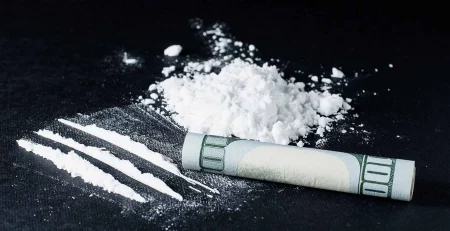
Why Does Cocaine Smell Like Gasoline?
Common Solvents in the Cocaine Production and Cutting Process
Some people report that illicit cocaine has a chemical or fuel-like smell, but street-drug odor can vary widely. When a gasoline-like smell is present, it may be related to solvents, adulterants, or contaminants involved in illicit processing. This article explains why that can happen, why smell alone is not a reliable way to identify a substance, and when it may be time to seek professional help
Some illicit cocaine products may have a chemical or fuel-like odor because illegal processing and adulteration can involve solvents or contaminants.
Reports from drug-market and forensic sources indicate that chemicals such as kerosene, acetone, and other solvents may be used at different stages of illicit production, but the exact composition of any street-drug sample can vary.
This means the smell of cocaine may raise concern, but it does not reliably confirm contents or purity.
Keep reading to learn more about why cocaine often has a gassy odor, and how to treat dependence on cocaine if this scent is what wakes you up in the morning or keeps you going throughout the day.
The Reasons Cocaine Can Have a Smell Like Gasoline

A gasoline-like smell may occur when illicit cocaine contains residual solvents, contaminants, or added substances from illegal processing and distribution.
In some cases, compounds used during extraction or later adulteration may affect the odor.
Because illicit cocaine is not produced under controlled medical standards, its composition can vary substantially from one sample to another.
What is the Production Process of Pure Cocaine?
Cocaine is made from coca leaves grown in parts of South America, especially Colombia, Peru, and Bolivia.
Illicit processing can involve multiple steps and different chemicals, and street products are not standardized.
Because of that, illegal cocaine may contain solvents, adulterants, or residues that affect how it smells, looks, and harms the body.
Illicit cocaine production and adulteration may involve a range of chemicals and solvents.
Rather than trying to identify a substance by smell or appearance, it is safer to assume that any nonmedical cocaine product may be contaminated or mixed with other harmful substances.
Does Cocaine Smell Vary Depending on Its Forms?
The smell associated with illicit cocaine may vary depending on the product’s form, how it was processed, and what it has been mixed with.
Powdered cocaine, crack cocaine, and other illicit stimulant products may have different odors, but smell alone is not a reliable way to identify a substance or predict its effects.
Why Does Cocaine Smell Like Gasoline? Powdered Cocaine and Solvents
Powdered illicit cocaine may sometimes have a sharp chemical odor if residual solvents, adulterants, or fillers are present.
Because street-drug composition varies, no single smell can confirm whether a powder is cocaine, how pure it is, or what else it may contain.”
Crack Cocaine
Crack cocaine and other smoked cocaine products may produce a noticeable chemical or burnt odor during use, but the exact smell can vary depending on the product and what it contains.
Smoking cocaine can also increase respiratory harm, including irritation of the lungs and airways.
Is the Weird Cocaine Smell a Warning Sign?
A strong chemical or fuel-like odor may be a reason for concern, but it should not be treated as a reliable test of what a substance contains.
Illicit cocaine can be contaminated, adulterated, or mixed with other drugs, which increases uncertainty and risk.
Because nonmedical stimulant products may contain harmful substances that cannot be identified by smell alone, using them can lead to serious medical emergencies, including overdose and toxic reactions.
What Are the Health Risks of Cocaine Addiction?

Cocaine is a powerful stimulant that affects the central nervous system and can place serious strain on the brain, heart, blood vessels, and lungs.
Risks vary based on how much is used, how often it is used, how it is taken, what the drug is mixed with, and a person’s overall health.
Possible harms include dangerously increased heart rate and blood pressure, anxiety, agitation, paranoia, chest pain, stroke, seizure, respiratory complications, and overdose.”
It increases brain activity which leads to high alertness and euphoria. However, there are side effects to that, some of which we are discussing below.
- Cardiovascular effects: Cocaine can raise heart rate and blood pressure and increase the risk of chest pain, abnormal heart rhythms, heart attack, and stroke.
- Respiratory effects: Snorting or smoking cocaine can irritate and damage the nose, throat, and lungs.
- Neurologic and psychiatric effects: Cocaine use can contribute to anxiety, agitation, paranoia, panic, and in some cases, psychosis.
Through the Substance Abuse and Mental Health Services Administration (SAMHSA), we find that cocaine and other drug abuse is a serious issue in the United States. The study tells us how cocaine goes by different street names and addiction to it will require specialized treatment. Smoking crack cocaine (or consuming it another way) also has several long-term health risks.
Mental Health Disorders
Heavy or repeated cocaine use can increase the risk of anxiety, depression, sleep disturbance, agitation, paranoia, and other mental health problems.
In some cases, stimulant use may trigger or worsen severe psychiatric symptoms, including panic or psychosis, especially in people with high exposure, polysubstance use, or underlying mental health vulnerabilities.”
Physical Deterioration
Heavy or repeated cocaine use can increase the risk of anxiety, depression, sleep disturbance, agitation, paranoia, and other mental health problems.
In some cases, stimulant use may trigger or worsen severe psychiatric symptoms, including panic or psychosis, especially in people with high exposure, polysubstance use, or underlying mental health vulnerabilities.
Insurance Coverage Varies By Plan – Call Us For Verification
Get Freedom from Cocaine: Connect with Icarus Behavioral Health
If cocaine use is affecting your health, relationships, work, or sense of control, professional support can help.
Icarus Behavioral Health offers confidential consultations so you can learn about treatment options, levels of care, and next steps based on your situation. Contact us confidentially today.
References:
Centers for Disease Control and Prevention. (2009, December 18). Agranulocytosis associated with cocaine use—Four States, March 2008–November 2009. Morbidity and Mortality Weekly Report, 58(49), 1381–1385. https://www.cdc.gov/mmwr/preview/mmwrhtml/mm5849a3.htm
Drug Enforcement Administration. (n.d.). Drug scheduling. U.S. Department of Justice. https://www.dea.gov/drug-information/drug-scheduling
European Union Drugs Agency. (2022, May 6). Coca and cocaine production. https://www.euda.europa.eu/publications/eu-drug-markets/cocaine/production_en
MedlinePlus. (2024, January 24). Cocaine. U.S. National Library of Medicine. https://medlineplus.gov/cocaine.html
National Institute on Drug Abuse. (n.d.). Cocaine. National Institutes of Health. https://nida.nih.gov/research-topics/cocaine
United Nations Office on Drugs and Crime. (2021). Cocaine: A spectrum of products. https://www.unodc.org/documents/data-and-analysis/cocaine/Cocaine_Insights_2021_2.pdf
Chang, A., Osterloh, J., & Thomas, J. (2010). Levamisole: A dangerous new cocaine adulterant. Clinical Pharmacology & Therapeutics, 88(3), 408–411. https://doi.org/10.1038/clpt.2010.156
Lee, K. C., Ladizinski, B., & Federman, D. G. (2012). Complications associated with use of levamisole-contaminated cocaine: An emerging public health challenge. Mayo Clinic Proceedings, 87(6), 581–586. https://doi.org/10.1016/j.mayocp.2012.03.010